

Perth has been one of the most talked-about property markets in Australia for the past three years. Values grew sharply through 2023 and 2024. They hit record highs in 2025. And the question most people are asking now — buyers, sellers, and investors alike — is whether that momentum can continue.
The short answer: yes, but with more complexity than in previous years.
At Central Lending Solutions, we're fielding this question constantly from Perth buyers trying to decide whether to act now or wait. Here's what the data says.
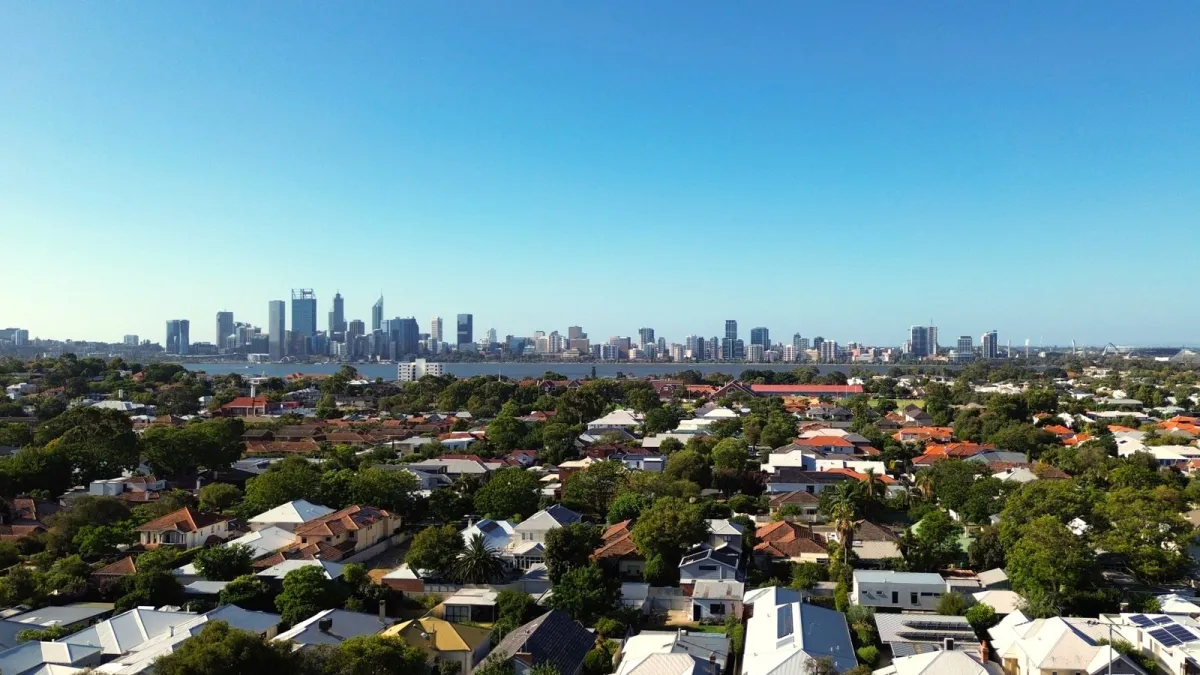
Where Perth Prices Sit Right Now
The REIWA preliminary data for the March 2026 quarter put the median Perth house sale price at $890,000, reflecting 4.1% growth in the quarter alone. Units performed even more strongly at $635,000, up 5.8% in three months.
Perth ended 2025 with both house and unit median prices at record highs. The market went into 2026 with low listings — REIWA reported active listings at roughly 5,000 in the Perth metro area at the start of 2026, compared to a balanced market equilibrium of around 12,000 to 13,000.
That supply imbalance is the single biggest driver of what's happened to Perth prices, and it hasn't resolved.
What REIWA Is Forecasting
REIWA's official 2026 forecast, released in January, called for median house price growth of more than 10% over the year, with units likely to see 15–20% growth.
After the strong March quarter — where median house prices rose 4.1% in just three months — REIWA's April update revised the potential upside higher. REIWA President Suzanne Brown said if those trends continued, full-year house price growth could reach 20%, with units potentially exceeding that.
"Most of the March quarter was characterised by lower-than-average new listings and consistently strong demand, which saw dwellings sell in record timeframes and price growth accelerate," Brown said.
ANZ's research also flagged Perth as the expected strongest-performing capital city for 2026, with dwelling prices forecast to rise 12.3%. Applied to the median, that would push the Perth house median toward $1 million by year's end.
The Forces Driving Prices Up
Three structural factors are keeping Perth's market tight, and they're not expected to reverse quickly.
- Population growth: Perth recorded 2.2% population growth in the year to June 2025 — one of the highest rates of any Australian capital. Interstate migration, skilled overseas arrivals, and post-pandemic WA growth continue to add housing demand that the supply side hasn't kept pace with.
- Construction delays: Perth's pipeline of new homes hasn't recovered to the levels needed to close the supply gap. New home completions peaked in the December 2024 quarter — then declined in each subsequent quarter. Labour shortages and cost pressures continue to constrain builder output, particularly in the $600,000–$800,000 house and land market where first home buyers are most active.
- Relative affordability: Despite three years of strong growth, Perth remains Australia's most affordable major capital for detached housing. Sydney's median sits above $1.45 million and Melbourne's is around $980,000. For buyers and investors moving from the east coast, Perth continues to look like value.
The Forces Pushing Back
Rising interest rates are the main headwind. The RBA has lifted the cash rate three times in 2026, taking it to 4.35%. Higher rates reduce borrowing capacity, and REIWA has acknowledged that multiple further rate increases could weigh on market activity — particularly among first home buyers.
REIWA's Brown flagged this directly: "Should interest rates rise more than once in the coming months we could see market activity decrease, particularly in the first home buyer market."
By April 2026, new listings in Perth were up 20% over four weeks. While the market was absorbing this additional supply, it does represent a shift from the ultra-low listing levels that characterised 2025.
Affordability is also becoming a moderating factor at the higher end. Suburbs that were accessible for family buyers two years ago now require borrowing capacity beyond what many households qualify for at current rates. That's pushing some buyers into units and townhouses (driving unit price growth) or further into outer suburbs.
Suburb-Level Picture: Where the Growth Is
Not every Perth suburb is performing the same way. First home buyer activity has concentrated in areas where prices still sit within scheme thresholds.
| Suburb/Area | Approx. Median (2026) | Driver |
|---|---|---|
| Joondalup | ~$720,000 | First home buyers, Keystart-accessible |
| Stirling | ~$850,000 | Family upgraders, established community |
| Fremantle | ~$1,050,000 | Investor and lifestyle demand |
| Scarborough | ~$1,100,000 | Coastal premium, ongoing demand |
| Subiaco | ~$1,650,000 | Prestige inner-ring, investor hotspot |
| Ellenbrook / Baldivis / Byford | $500,000–$650,000 | New builds, house and land |
Ellenbrook, Baldivis, and Byford remain strong areas for new builds, sitting within Keystart's $860,000 property price cap and often accessible without stamp duty for eligible first home buyers. These areas have seen consistent demand from buyers who've been priced out of established inner suburbs.
What This Means If You're Buying in 2026
If you're planning to buy this year, the data suggests two things are true simultaneously:
- Prices are still rising in Perth, and waiting is likely to cost you more than buying now
- Rate rises have reduced borrowing capacity, meaning your maximum purchase price may be lower than it was in 2025
That combination puts a premium on understanding your actual numbers. How much can you borrow at current rates? What deposit do you have? Which government schemes can reduce your entry cost?
A borrowing power estimate can give you a solid starting point, and a conversation with a broker can turn it into a real pre-approval.
FAQ
Will Perth house prices fall in 2026?
The major forecasters — REIWA, ANZ, and KPMG — are all projecting continued growth through 2026. A fall would require a significant increase in supply or a sharp deterioration in consumer confidence, neither of which is currently expected. A slowdown in the rate of growth is more likely than a reversal.
Is it still a good time to buy in Perth in 2026?
For owner-occupiers buying to live in a property for the medium to long term, the underlying demand-supply dynamic still supports values. The risk of waiting in a rising market is that prices move further away from you. The risk of buying is that rates may increase further, reducing your repayment flexibility. A broker can model your specific affordability across different rate scenarios.
Why are Perth unit prices growing faster than houses?
As houses have become less affordable, buyers are redirecting to units, villas, and townhouses. This has increased demand for the unit segment at a time when supply growth has also been limited, pushing unit prices up sharply — with REIWA forecasting 15–20% growth for 2026.
What suburbs offer the best value for first home buyers in Perth right now?
Outer growth corridors like Ellenbrook, Baldivis, and Byford offer established and new-build options within Keystart and federal scheme thresholds. In the established market, Joondalup and Stirling continue to attract first home buyers due to infrastructure, access, and relative affordability compared to inner suburbs.
How do rising rates affect my borrowing capacity in Perth?
Each 0.25% rate increase reduces your borrowing capacity by roughly 2–3% on a principal-and-interest loan. On a $600,000 loan, the February and March 2026 rate increases combined add over $200 per month to repayments compared to early 2025. This is why getting a current pre-approval — not an estimate based on last year's rates — is essential before you start making offers.
Get Clarity on Your Perth Buying Power
Perth's market is still moving. But moving markets reward buyers who know their numbers, not buyers who hope to get the timing perfect.
Central Lending Solutions has settled over $1.2 billion in Perth home loans since 2015. We compare more than 30 lenders and give you honest advice about what you can borrow, at what rate, and what that means for your repayments in the current environment.
Book a free chat and let's map out your position.